Why Healthcare Email Lists Are Essential for Pharma Marketing?
Table of Contents
- Introduction: The Role of Data in Pharma Marketing
- Why Healthcare Email Lists Matter
- Precise Targeting of Healthcare Professionals
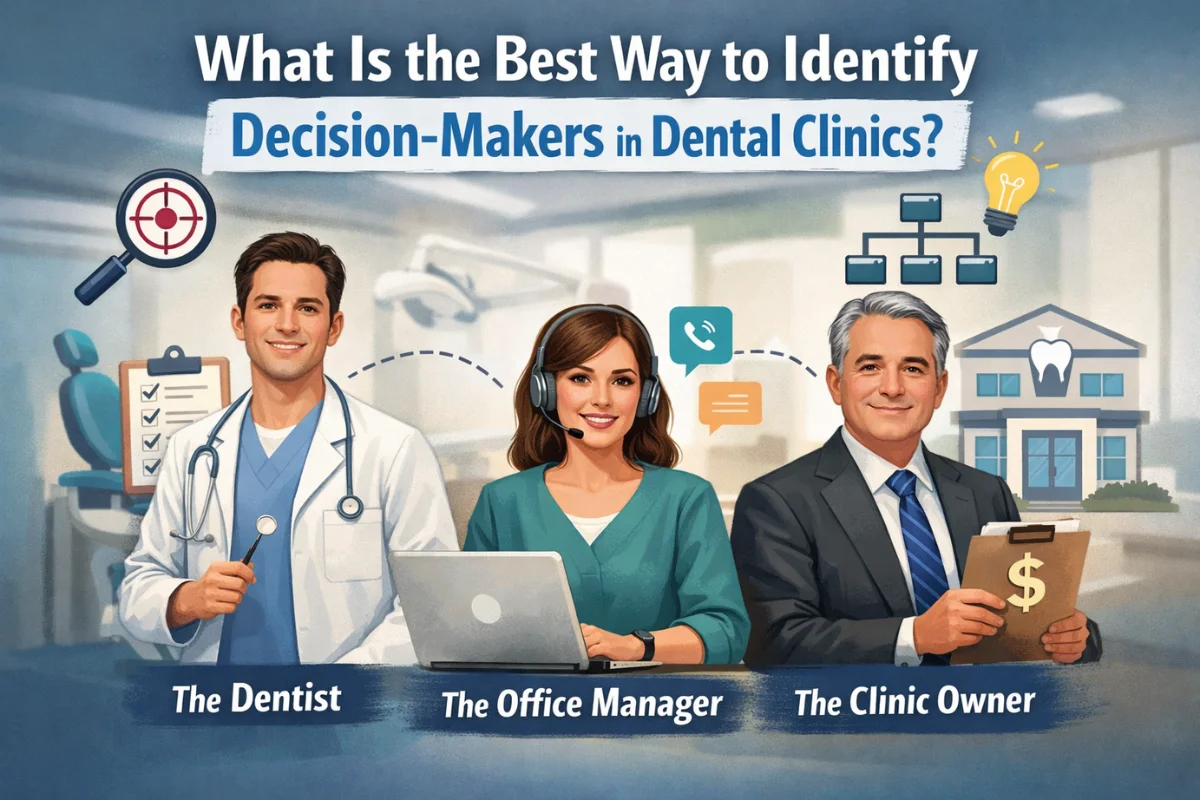
- Reaching Key Decision-Makers
- Segmentation for Better Campaign Performance
- Data Accuracy and Compliance
- Improving ROI with Targeted Outreach
- Use Cases in Pharma Marketing
- How AverickMedia Supports Pharma Campaigns
- Best Practices for Using Healthcare Email Lists
- Conclusion & Key Takeaways

Introduction: The Role of Data in Pharma Marketing
Pharmaceutical marketing has evolved into a highly data-driven discipline where precision, timing, and relevance determine success. Reaching healthcare professionals with the right message requires more than broad outreach—it demands structured and verified contact data.
Healthcare email lists enable pharma marketers to connect directly with doctors, pharmacists, clinicians, and other medical professionals. By leveraging accurate databases such as healthcare mailing lists, organizations can streamline outreach and improve campaign effectiveness.
Why Healthcare Email Lists Matter
Healthcare email lists provide a direct communication channel to professionals who influence prescribing decisions, patient care, and procurement processes. Without targeted data, marketing efforts often become inefficient and scattered.
- Direct access to verified healthcare professionals
- Reduced marketing waste and improved targeting accuracy
- Faster campaign execution with ready-to-use contact data
- Enhanced personalization opportunities
- Better alignment with regulatory and industry standards
Using structured databases like healthcare professional email lists ensures that campaigns are focused, relevant, and impactful.
Precise Targeting of Healthcare Professionals
Targeting is one of the most critical components of successful pharma marketing. Healthcare email lists allow segmentation based on specialty, geography, and practice type, ensuring messages reach the most relevant audience.
- Segment by specialization such as cardiology, dermatology, or general practice
- Target professionals based on hospital, clinic, or private practice affiliations
- Refine campaigns by geographic region for localized outreach
- Customize messaging based on professional interests and roles
Access to niche datasets such as a doctor email list helps marketers deliver highly relevant communication that resonates with recipients.
Reaching Key Decision-Makers
Pharma marketing success depends heavily on influencing the right individuals. Healthcare email lists include decision-makers such as physicians, pharmacists, and procurement managers who play a critical role in product adoption.
By targeting these individuals directly, marketers can shorten sales cycles and improve conversion rates. Databases like pharmaceutical email lists help connect with stakeholders involved in drug development, distribution, and prescribing.
Segmentation for Better Campaign Performance
Segmentation enhances campaign effectiveness by dividing large audiences into smaller, more specific groups. Healthcare email lists allow marketers to tailor messaging based on multiple criteria.
- Job role-based segmentation (doctors, nurses, pharmacists)
- Industry-specific targeting within healthcare sectors
- Experience level and seniority-based segmentation
- Behavioral and engagement-based targeting
With structured segmentation, campaigns become more relevant and personalized, improving engagement and response rates.
Data Accuracy and Compliance
Accuracy and compliance are essential when working with healthcare data. Verified email lists ensure that contact information is up to date and aligns with industry regulations.
Reliable providers maintain strict data hygiene processes, ensuring that records are validated and regularly updated. This minimizes bounce rates and enhances deliverability.
Using trusted sources like pharmacists email lists ensures marketers are working with high-quality, compliant data.
Improving ROI with Targeted Outreach
One of the primary advantages of healthcare email lists is improved return on investment. By focusing on verified and relevant contacts, marketers can allocate resources more efficiently.
- Higher open and response rates due to targeted messaging
- Reduced acquisition costs through efficient outreach
- Improved lead quality and conversion rates
- Optimized campaign performance through data-driven insights
Targeted outreach ensures that every campaign effort contributes toward measurable business outcomes.
Use Cases in Pharma Marketing
Healthcare email lists can be used across multiple pharma marketing strategies, including product launches, awareness campaigns, and educational outreach.
- Promoting new pharmaceutical products to healthcare professionals
- Sharing clinical research and medical updates
- Inviting professionals to webinars and conferences
- Conducting surveys and collecting industry insights
- Nurturing long-term relationships with medical stakeholders
These use cases demonstrate how targeted data supports various stages of the marketing funnel.
How AverickMedia Supports Pharma Campaigns
AverickMedia provides comprehensive and verified healthcare databases designed to help pharma marketers reach the right audience effectively. Their datasets include segmented and up-to-date contact information across multiple healthcare verticals.
With access to specialized lists such as healthcare mailing lists and other industry-specific databases, marketers can execute precise and scalable campaigns.
These resources enable businesses to improve targeting accuracy, enhance engagement, and achieve better marketing outcomes.
Best Practices for Using Healthcare Email Lists
- Segment audiences based on role, specialty, and geography
- Personalize messaging to align with professional interests
- Maintain compliance with healthcare data regulations
- Regularly update and clean email lists to ensure accuracy
- Track performance metrics to optimize campaigns
Following these practices ensures that healthcare email lists deliver maximum value for pharma marketing campaigns.
Conclusion & Key Takeaways
Healthcare email lists are a foundational asset for pharma marketing strategies. They enable precise targeting, improved engagement, and stronger ROI by connecting marketers with verified healthcare professionals.
By leveraging reliable data sources and implementing segmentation and personalization strategies, pharma companies can enhance campaign effectiveness and build meaningful relationships within the healthcare ecosystem.